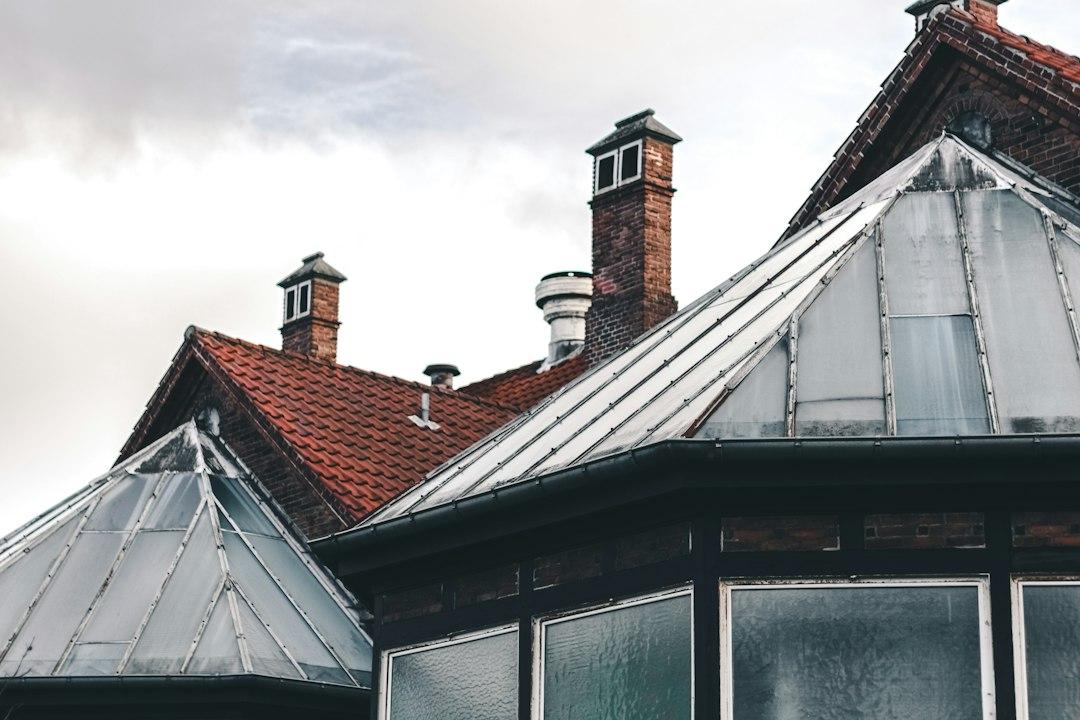
The call usually starts with a sound. An owner arrives for the weekend, opens the house and hears scratching behind the fireplace, or finds twigs and feathers in the firebox. Sometimes it starts with a smell. Either way, the flue was open at the top, the house was quiet, and something moved in. Clifford Chimney Works fits caps on houses around Fountain Valley that sit empty for part of the year, and this post covers what sets the price of a cap here and what you get in writing.
Why empty houses lose this fight
A lived-in house has noise, heat and a fire now and then. All three discourage birds and rodents from settling in a flue. A house that stands closed for months offers none of that: a dry shaft, still air and a ledge above the damper that makes a good floor for a nest.
What follows is predictable:
- Nesting material fills the smoke shelf and can close the flue. The first fire of the season then sends smoke into the room, or worse, lights the nest.
- Droppings and dead animals leave an odor that spreads through the house when the damper opens.
- Rain falls straight down an open flue onto the damper. A cast iron plate rusts, a steel one pits, and the firebox floor stains.
- Leaves and roof debris collect on top of whatever else is in there.
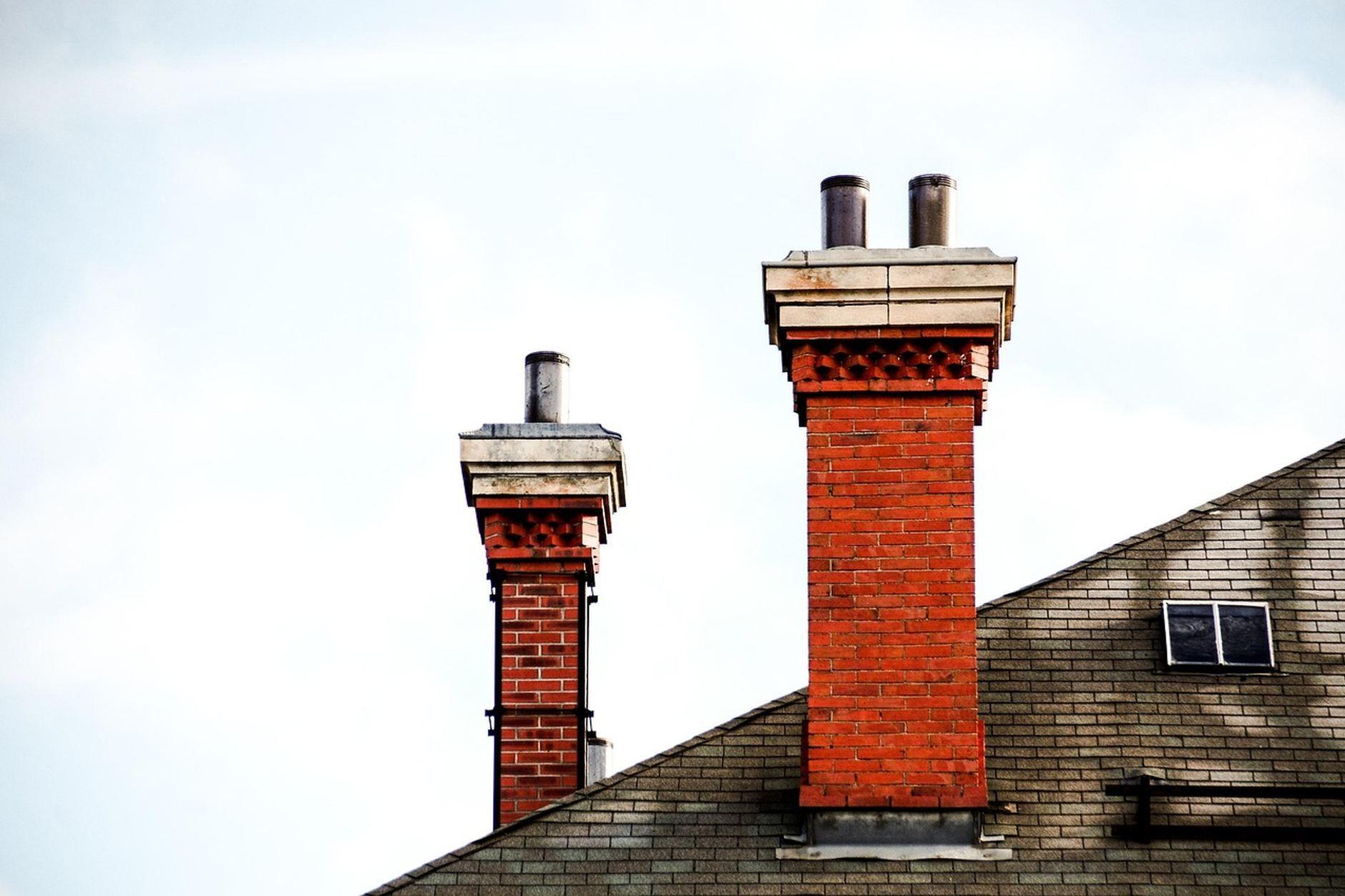
A cap is a lid with a mesh skirt that sits over the flue. It is the one part that deals with all four problems at once, which is why it sits near the top of our reopening checklist.
What sets the price of a cap
Nobody can price a fitted cap from the street. We measure the top first, because the word cap covers very different pieces of metal from one chimney to the next. Five things set your cap price:
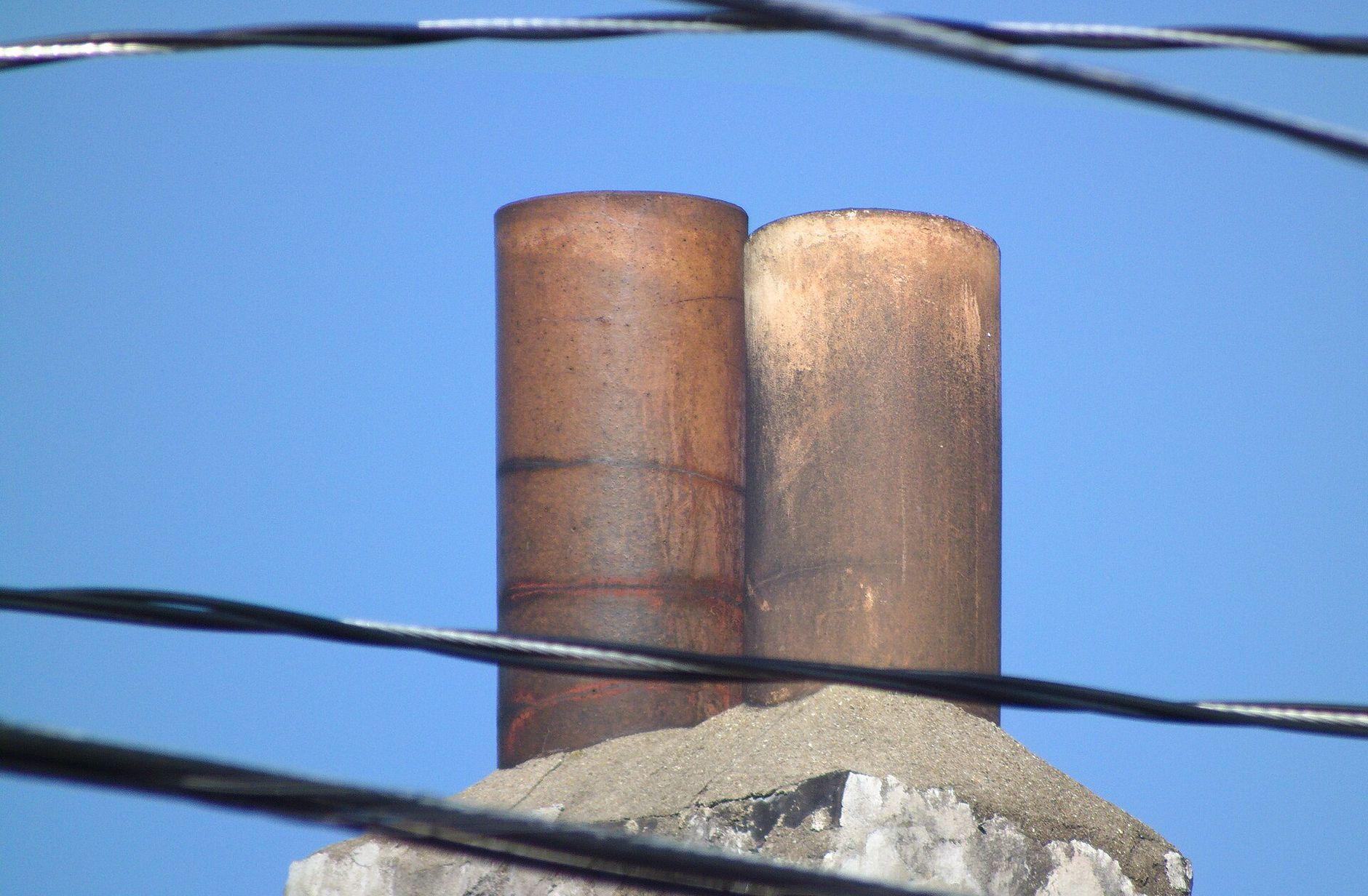
- One flue or several. A single clay tile poking out of the crown takes a small cap that clamps to the tile. A chimney carrying two or three flues often needs one wide cap that covers the whole top, which is a larger and heavier part.
- Stock or made to measure. Common tile sizes take a stock cap. Odd sizes, oval flues and wide crowns need a cap made to the measurements we take on the roof.
- Metal. Galvanized steel costs least and lasts least, especially near the ocean. Stainless lasts much longer. Copper costs the most and is chosen mostly for looks.
- Roof and height. A single-story ranch roof is quick work. A steep tile roof or a tall chimney on a two-story house adds time and safety gear.
- What is underneath. A nest has to come out before the cap goes on. If the flue also needs a sweep, that is a separate line starting from $395.
On a factory-built chimney, the kind with a metal flue inside a framed box, the cap has to be the one made for that system. That limits the choice and sometimes the price.
What comes out before the cap goes on
We do not fit a cap over a problem. Before the new one goes on, we:
- Pull out any nest, debris and droppings from the top and the smoke shelf.
- Look down the flue to make sure nothing is left that blocks the draft.
- Check that the crown under the cap is solid enough to hold it. A badly cracked crown needs work first.
- Measure the flue tile, or the whole top for a wide cap.
If an animal is still living in the chimney, we say so and plan around it rather than sealing it in.
How to get a firm number
You get one figure once we know the size and number of flues, the metal you want and how the roof is reached. To get that number, send us a short note through the form on this page with how many flues you can count from the street, the roof type and whether you have heard or seen signs of animals. We reply with what the visit involves, and after we have measured on the roof you get the price in writing before any metal is ordered.
Near the coast and inland
In Newport Beach and the parts of Fountain Valley that get the morning marine layer, salt air works on cheap steel. We see galvanized caps with the mesh rusted through after only a few years near the harbor. For those houses we suggest stainless at least.
Inland in Santa Ana and Orange, rust is slower, and the problem is more often age. Older houses there tend to have a bare flue tile sticking out of a mortar crown with no cap at all, sometimes since the day the house was built.
What you get in writing
Before any work starts, the written price names:
- The cap type, size and metal.
- Whether it is stock or made to measure.
- What comes out of the flue first, such as a nest or debris.
- Anything we found on the top that needs separate work, with photos.
After the cap is fitted you get photos of it in place. If the visit was part of a seasonal reopening, those go in the same file as the rest of the inspection. See chimney cap installation for the service itself, or read our post on the reopening visit after months away.
Before you leave the house again
The right time to fit a cap is before you lock up, not after the next nest. If the house is about to sit for a season, a cap goes on the same visit as the end of season sweep or check, and the flue stays closed to animals and rain while you are gone.
Planning to close the house up, or just found a nest? The contact page reaches us, and we will arrange a visit to measure the top.
Book the Visit for Your Own House
Clifford checks the cap for nests, then the flue, the damper and, on gas units, the pilot, with dated photos sent by email. We work from Fountain Valley across Santa Ana, Orange, Newport Beach and the other Orange County towns on our list.