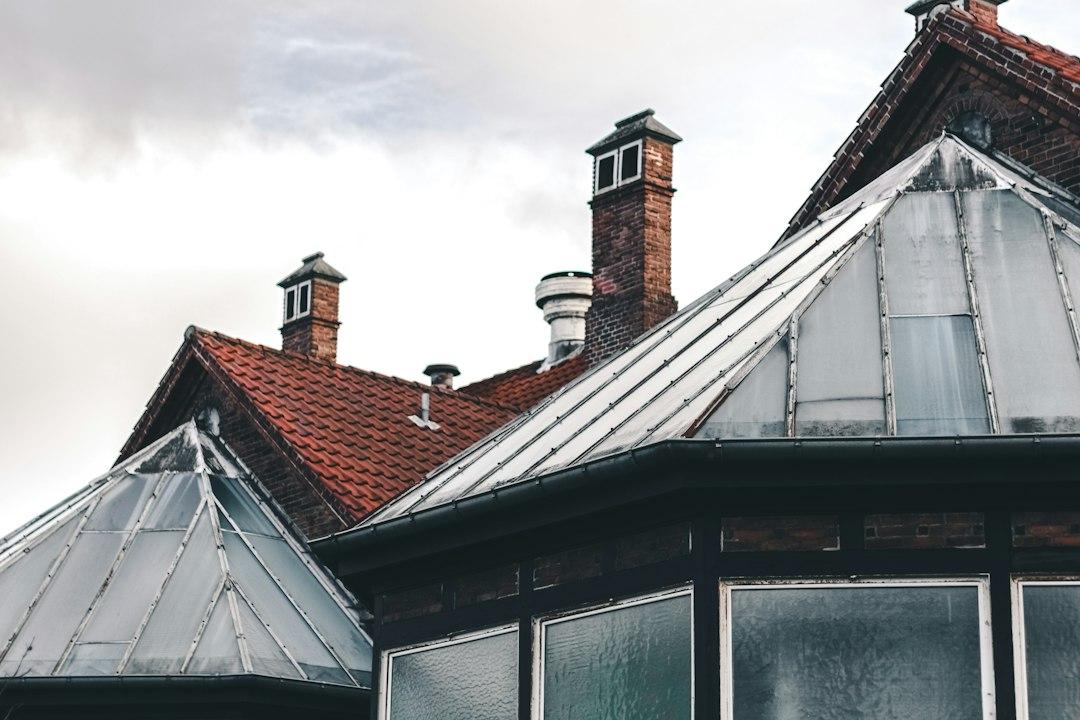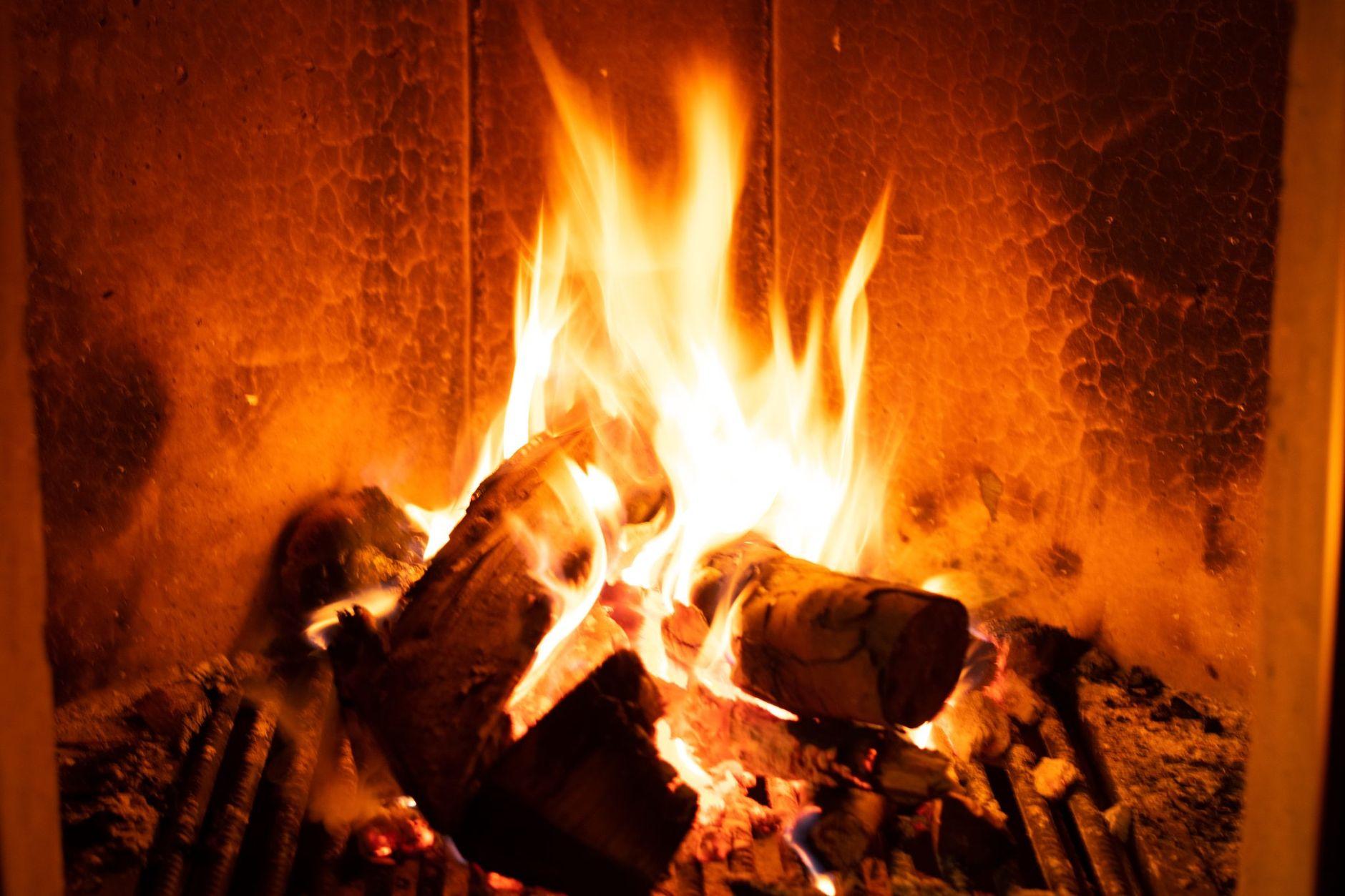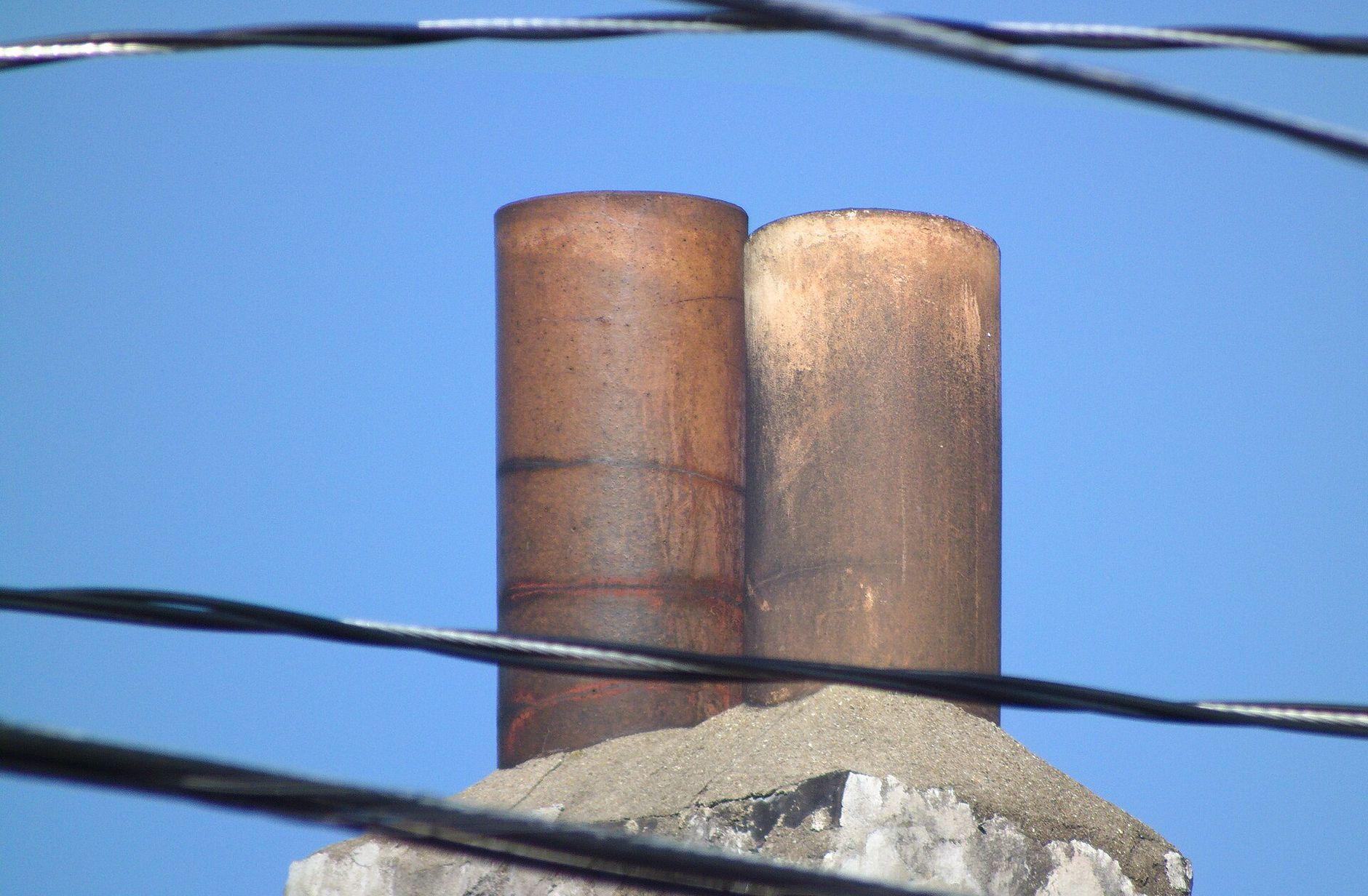
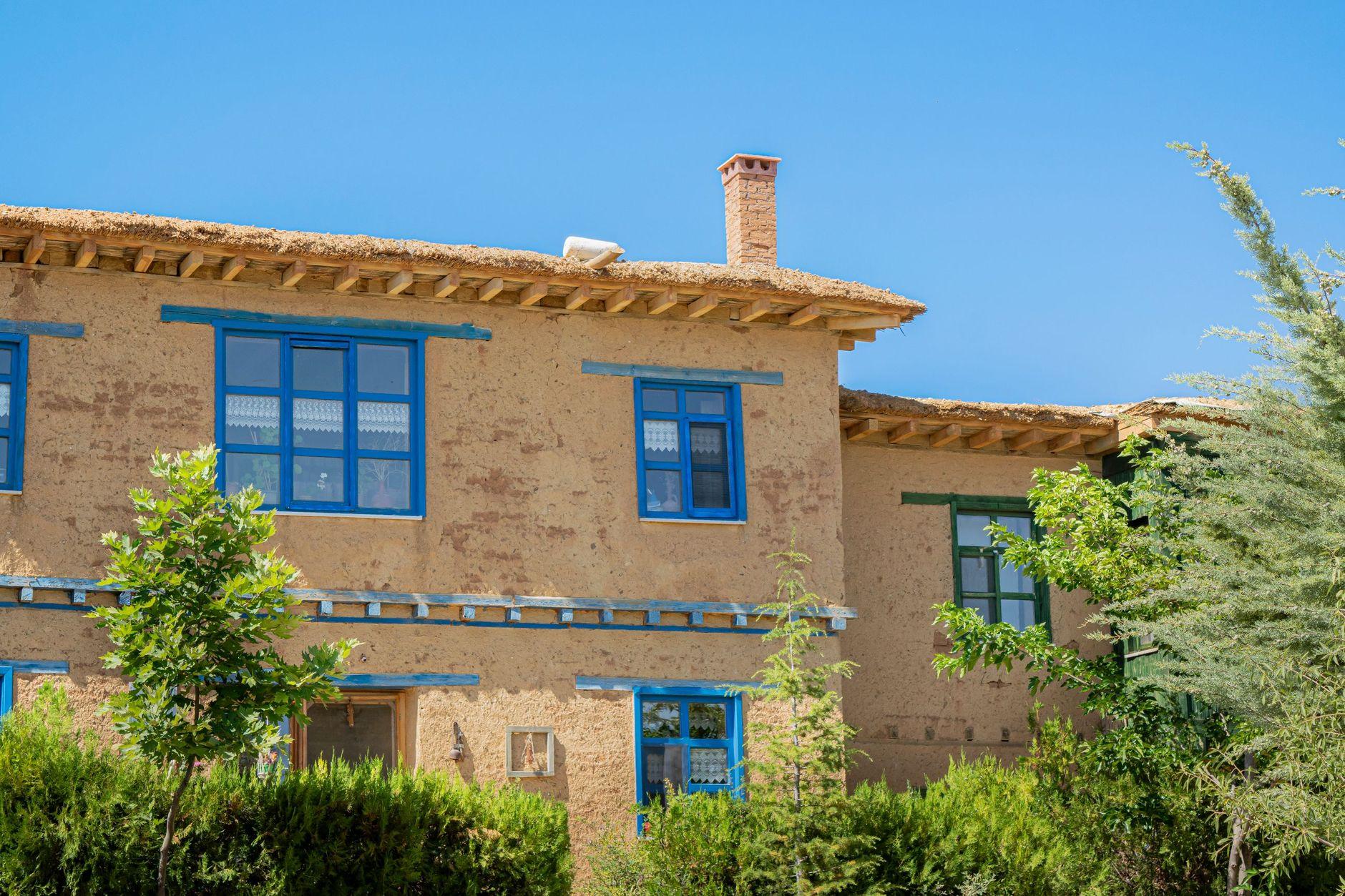
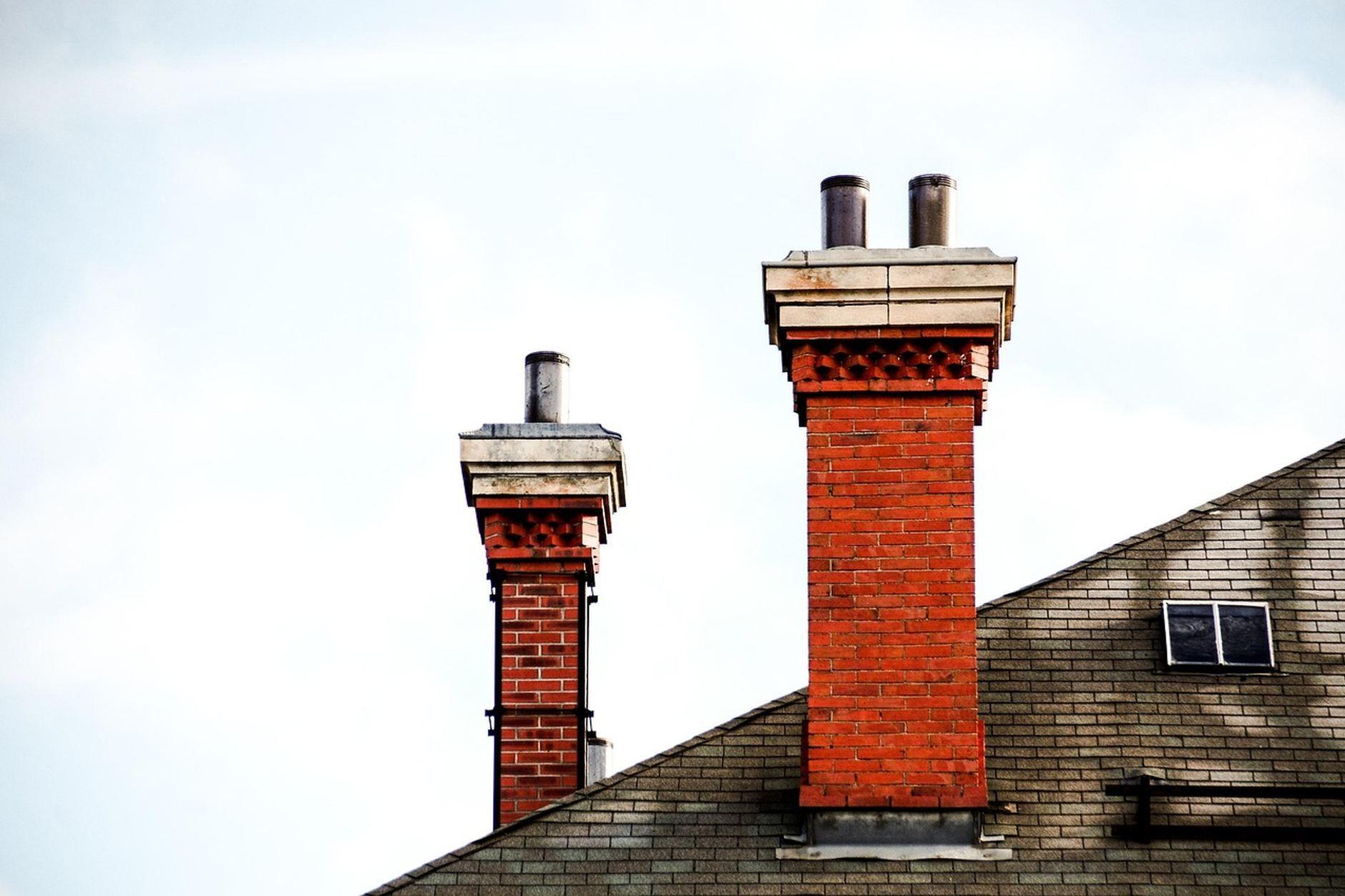
Nobody stays at the house from April to October. Then the first cool weekend comes, the car is full of family and someone has bought a bag of oak. That weekend is what this post is about. Clifford Chimney Works is based in Fountain Valley, and a large share of our fall calls come from owners of second homes, beach rentals and inherited houses that sat locked for a season. The questions repeat: is it safe to light, what gets looked at first, and what will it cost?
What happens to a chimney nobody uses
A chimney left alone is not resting. While the doors are locked, the roof and the flue keep changing:
- Animals move in. An open flue is a dry, quiet shaft. Twigs, nesting fibre and droppings pile up on the smoke shelf, and a nest can close the flue completely.
- Weather works on the top. Winter storms and damp marine mornings get into the mortar crown. A hairline crack from last year can be a gap this year.
- Iron rusts in place. A damper plate left shut for months seizes at its pivot. Owners force the handle, and the handle wins less often than they hope.
- Pilots stay dark. Turning the gas pilot off when you leave is common. It also means nobody has watched that flame for months, and spiders like the quiet tube it burns from.
- Small warnings go unheard. In a lived-in house someone notices the drip, the odd smell or the scratching. In an empty one, nobody is there to notice.
None of that shows from the living room. A reopening visit starts on the roof and works down.
Which inspection fits a reopened house
NFPA 211, the standard most American chimney work is measured against, describes inspections in three tiers. For a house coming out of a quiet season, the choice is between the first and the second.
The first tier is $160. We look at everything reachable without opening walls or running a camera: the cap, the crown and the flashing from the roof, the firebox, how the damper moves, and the flue as far as we can see it from each end. It suits a house that was swept and checked before it was closed, burns the same fuel the same way as last winter, and had no storm or roof work while you were gone.
The second tier is $370. A camera on a flexible rod travels from the smoke chamber to the cap and records the whole flue, and we climb into the attic to see the brick where it crosses the joists. We suggest it when the house sat closed for more than a season, when roofers or painters were up there while you were away, when guests or tenants used the fireplace and you do not know how, or when nobody can remember the last camera run. More detail sits on our Level 2 page and our general inspection page.
What we tick off on the visit
The list below is the order our crew works through on a reopening. It is there so you know what the visit covers; every item is ours to handle.
- Cap: present, screen intact, no nest wedged under the lid.
- Crown: cracks, chips and any gap where it meets the flue tile.
- Flashing: lifted edges, failed sealant, rust at the corners.
- Flue: blockage, soot or glaze, cracked or shifted tiles (the camera shows these on the second tier).
- Damper: opens fully, closes fully, seals.
- Firebox: loose firebrick, open joints, a cracked hearth slab.
- Gas units: the pilot lights and holds, the burner flame is steady, the vent is clear, and the room reads clean for carbon monoxide.
- Alarms: we press the test button on smoke and carbon monoxide alarms near the fireplace and bedrooms, and note any that stay quiet.
What decides the price and the next step
The two inspection figures above are fixed per chimney. What changes is which one we suggest and what comes after it. These points decide that:
- Months closed. One summer away is a first tier visit for most houses. A year or more points to the camera.
- The last record. A dated sweep or inspection report from before you left can keep you on the first tier.
- Fuel. Wood fireplaces need the flue judged for soot and glaze. Gas units need the pilot, burner and vent tested.
- Fireplace count. Each fireplace or stove is its own line. A house with one in the den and one upstairs pays for two.
- What turns up. A missing cap, a stuck damper or a leak becomes a separate written price, and you decide whether to go ahead.
If you already know when you are heading back, use the request form on this page to tell us how many months the house has been shut, what each fireplace burns and when the first fire is planned. We reply with the tier we suggest and its price.
Coast, inland and older streets
Fountain Valley sits a few miles in from the beach. Salt air reaches roofs here, though less than it reaches them in Newport Beach, where a plain steel cap can rust through in a few seasons and we steer owners toward stainless. In older parts of Santa Ana and Orange, the chimneys are often older too: clay tile flues, cast iron dampers and crowns that were never meant to last this long. Those houses go to the camera more often after a long gap.
For houses in Fountain Valley itself, many built in the 1960s and 1970s, the usual reopening finding is simpler: a nest, a rusted cap or a pilot that will not hold.
If something turns up
Most reopening visits end with a clean bill or one small fix. When they do not, you get a written price before any work starts. Here is how a few common ones are priced:
- A sweep for a wood flue with buildup starts from $395.
- Gas fireplace cleaning and repairs are priced after the unit is tested. See gas fireplace cleaning.
- A cap, fitted, is quoted on site. Its size and the number of flues it covers set the price. Our cap post explains what sets it.
Anything else, such as crown or damper work, comes as a separate written scope with photos.
Closing the house again in spring
Some owners also book a short visit at the end of the season, before they lock up. We sweep if the flue needs it, check the cap, and write down anything that should be fixed before the next winter storms. Then the fall reopening starts from a known point instead of a guess.
Heading back to the house soon? Reach us through the contact page and we will set the reopening visit before the first log goes in.
Book the Visit for Your Own House
Clifford checks the cap for nests, then the flue, the damper and, on gas units, the pilot, with dated photos sent by email. We work from Fountain Valley across Santa Ana, Orange, Newport Beach and the other Orange County towns on our list.