
In a house someone lives in, a chimney leak gets caught at the first drip. Someone hears it, sees the wet hearth or smells the damp, and calls. In a house that sits closed between visits, the same leak can run through a whole rainy season before anyone walks in. By then a small entry point has become a stained ceiling, a rusted damper and soft wood around the chimney. Clifford Chimney Works traces and repairs chimney leaks for owners around Fountain Valley, many of whom only find out on arrival. This post covers what usually lets the water in, what the repair costs and what you get in writing.
What owners find when they come back
The signs vary with how long the water has been getting in:
- A brown ring or a bubbled patch of paint on the ceiling or wall next to the chimney.
- A musty smell in the room with the fireplace, stronger when the damper is opened.
- Rust on the damper plate or on the firebox floor below it.
- White powdery bloom on the brick inside or outside, which is salt left behind by water moving through the masonry.
- Swollen or stained trim and baseboard around the hearth.
- Damp insulation or dark wood around the chimney in the attic.
Any one of these is reason enough to have the chimney looked at before the next storm.
Where the water gets in
A chimney has several weak points, and a leak often uses more than one:
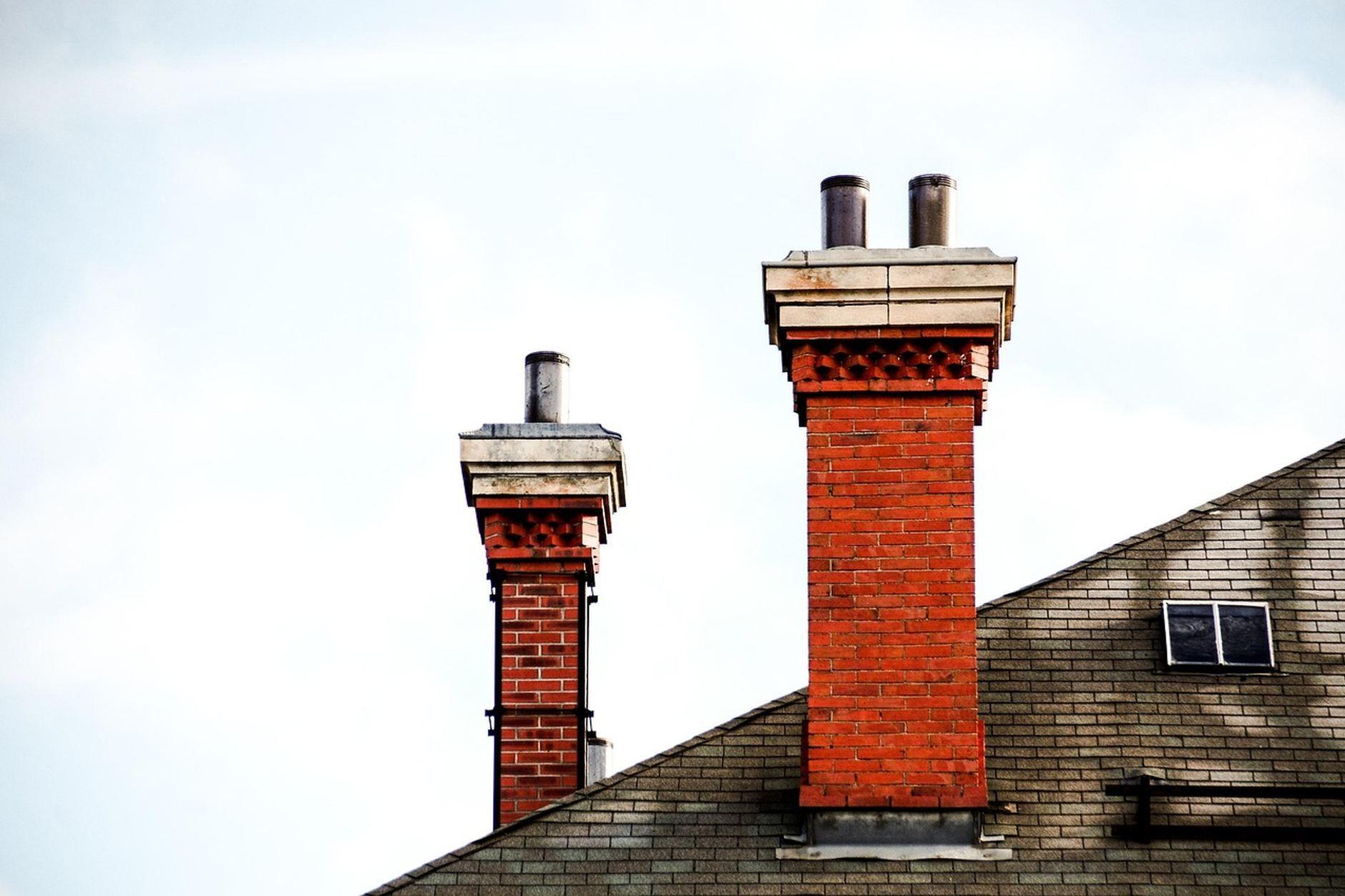
- The top. An uncapped flue takes rain straight down. A cracked crown lets water into the brick around the flue tile.
- The roof joint. The metal pieces that seal the chimney to the roof lift, rust or lose their sealant, and water runs in along the brick.
- The uphill side. On a wide chimney, rain and leaves collect on the high side and sit against the joint. A small sloped diverter behind the chimney, called a cricket, sends that water around it.
- The brick face. Old mortar joints open up and soak in rain, especially on the side that faces the weather.
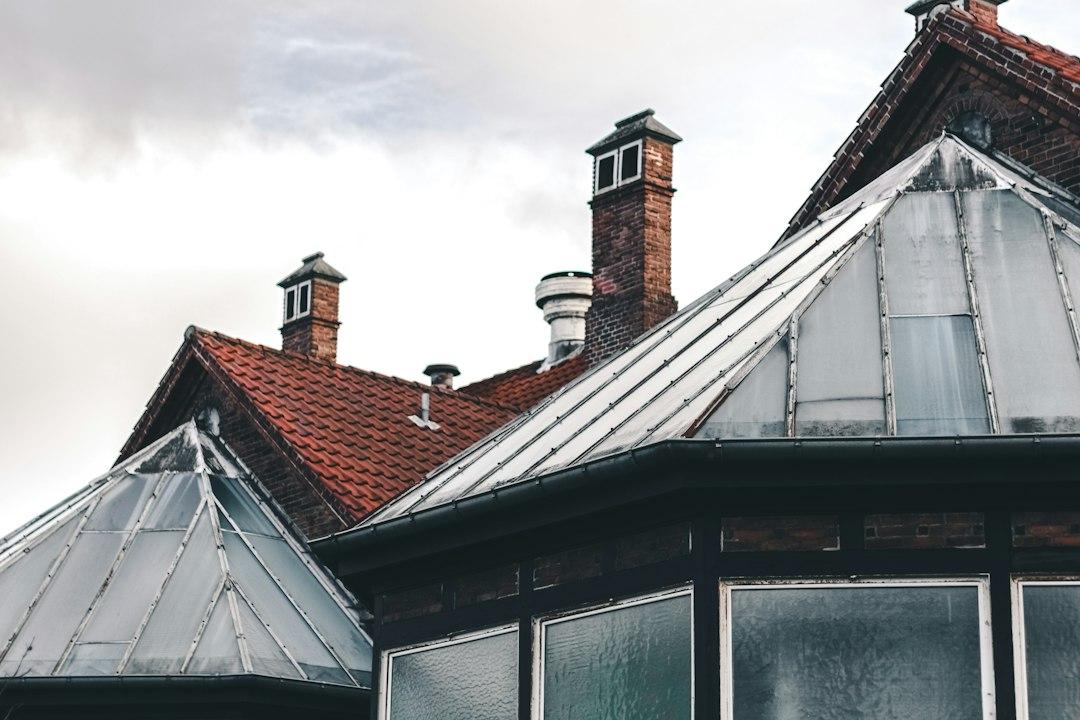
- Metal chimneys. On a factory-built chimney inside a framed box, the metal lid on top of the box rusts or dishes and holds water.
Near the coast in Newport Beach and the west side of Fountain Valley, salt air speeds up the rust on flashing and lids. Inland in Santa Ana and Orange, older brick and thin crowns are the more common culprits.
How we find the source
A stain inside rarely sits directly under the entry point. Water travels along brick, framing and roof underlayment before it shows. So we start at the top and work through each suspect in turn: the cap and crown, the roof joint on all four sides, the uphill side, the brick face and, inside, the attic where the chimney passes. Where the source is unclear, we wet one part of the chimney at a time and watch for water inside before moving on.
The result is a written finding that names the entry point or points, with photos, rather than a guess and a tube of sealant.
What the repair costs
These are the published figures for the most common leak repairs. Each row is fitted, and the range reflects the size of the chimney and the extent of the damage:
- Stopping a chimney leak once its path is known: $525 to $3,150.
- Lid with mesh over an open flue: quoted after we measure.
- Sloped diverter on the uphill side of a wide chimney: $420 to $945.
- Diverter built together with all new roof-to-brick metal: $630 to $1,600.
Crown repair, brick repointing, water repellent and a new lid on a metal chimney box have no published figure. Each gets its own written price once we have seen it. Two chimneys with the same symptom can need very different amounts of work.
What decides the price and next step
- How many entry points. One lifted corner of flashing sits near the low end. Water coming in at the crown, the flashing and the brick face at once sits higher.
- Chimney size. A wide chimney with two flues has more flashing, more crown and more brick than a narrow one.
- Roof type and pitch. Tile and steep roofs take more time and care to work on and to restore.
- Damage behind the leak. Rotted framing or wet insulation inside is a separate item from the leak itself, and we will say so plainly.
To get a price for your chimney, describe the leak on the form on this page: where the stain or damp shows inside, whether it appears with every rain or only heavy storms, and how long the house has been empty. We come back with what the visit involves and set a time.
Fixing it before the house closes again
A chimney leak in a part-time house costs least when it is fixed before you leave, not after you return. If you are about to lock up for a season, a visit to check the top, the roof joint and the cap costs much less than a ceiling repair later. Our post on what sets the price of a cap on a part-time house covers the single most common fix.
For the service itself, see chimney leak repair, and for the diverter, chimney flashing repair.
After the repair
You receive photos of the repaired area and a written note of what was done and where. If the leak caused damage inside, the note says what we saw so your painter or contractor knows what to look at next.
Just found a stain near the chimney, or closing the house before winter? Our contact page is the place to start; we will set up a visit to find where the water is getting in.
Book the Visit for Your Own House
Clifford checks the cap for nests, then the flue, the damper and, on gas units, the pilot, with dated photos sent by email. We work from Fountain Valley across Santa Ana, Orange, Newport Beach and the other Orange County towns on our list.